
What is Biochar?
Biochar: a material formed by heating biomass (plants and trees) at high temperatures in the absence (or near absence) of oxygen.
Although known about for thousands of years, biochar has often been hidden away in academic research and large-scale projects dependent on expensive logistics to deliver biomass to the production site. Technically proven, but expensive and limited in availability.
What makes Biochar special?
Biochar has the power to purify water, reduce pollution, improve crop yields, store energy, improve the strength of roads and buildings, capture carbon and restore life to damaged land. Biochar's potential to improve our planet is understood through world-class research and practical application.
Although known about for thousands of years, biochar has often been hidden away in academic research and large-scale projects dependent on expensive logistics to deliver biomass to the production site. Technically proven, but expensive and limited in availability.
The Impact of Biochar
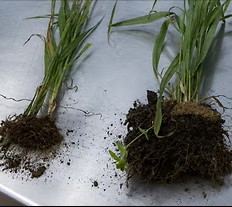
Field comparison from Diddly Squat Farm, Oxfordshire, England.
A = Manure no Biochar. B = treated with manure and biochar.
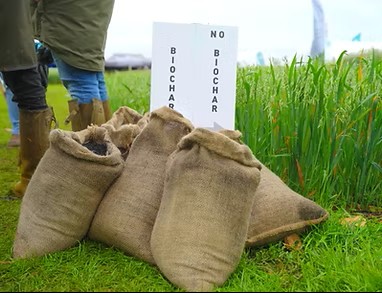
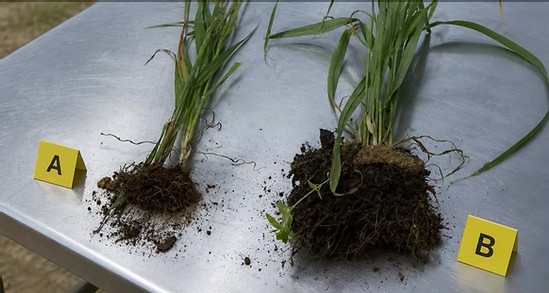
At Diddly Squat Farm, we trialled biochar cereal crop plots to evaluate its impact on root development and soil health. The biochar-treated plot (B) exhibits a substantially larger root system and greater soil aggregation around the roots compared with the untreated plot (A). B shows improved root development and soil health commonly reported in biochar research.
Benefits that matter
Good for the land. Good for the future.
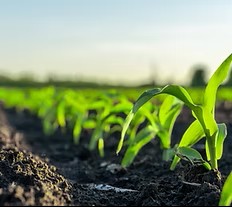
Improve soil health
Biochar enhances soil structure, increases nutrient retention and supports microbial life.
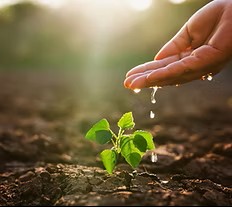
Increase water efficency
Repurpose organic waste into a powerful resource and support a circular, regenerative community.

Close the loop
Biochar stores carbon for centuries, helping to combat climate change with durable, verifiable impact.
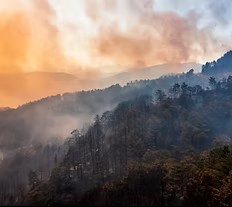
Reduce wildfire risk
Turning excess vegetation and woody debris into biochar removes fuel from the landscape.
Boost productivity
Healthier soils lead to stronger plants, higher yields and more resillent agricultural systems.
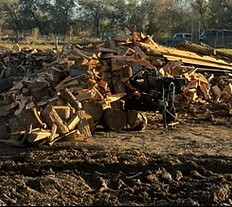
Close the loop
Repurpose organic waste into a powerful resource and support a circular, regenerative community.
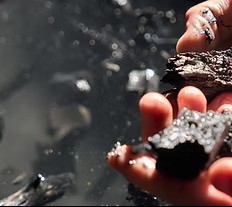
Create local value
Biochar production creates green jobs, new revenue streams and stronger local economies.
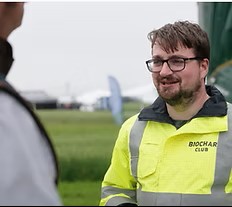
Strengthen communities
From clean air to resillient landscapes biochar supports healthier, safer communities for generations.
Where can Biochar be used?
Biochar has applications across many sectors and landscapes.
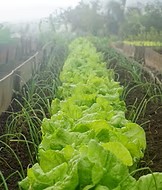
Agriculture &
Horticulture
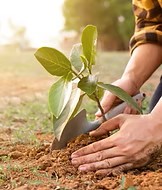
Tree planting
and woodland management

Community
Gardens
& Allotments
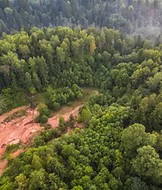
Conservation &
Habitat Restoration

Regenerative
Farming
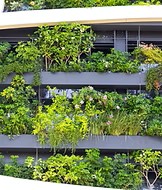
Landscaping &
Urban Greening

Education &
Research
01
SOURCE
SOURCE
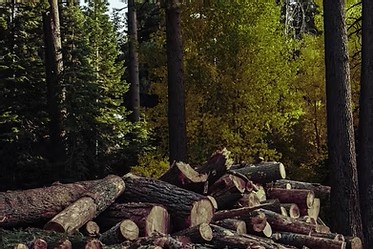
Turn surplus biomass into an opportunity
Use locally avaliable woody biomass, forestry residues and other sustainable feedstocks that might otherwise be burned wasted or left to decompose.

02
PYROLYSE
PYROLYSE
Transform biomass with the M-Kiln
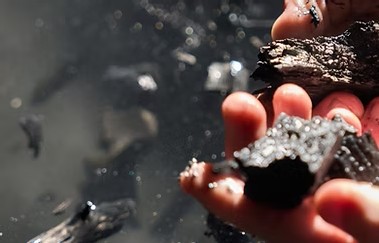
Our patent pending M-Kiln transforms biomass into high quality biochar with high carbon content, creating a stable and valuable form of carbon.
03
APPLY
APPLY
Put high quality biochar to work
Biochar can be incorporated into compost and soils, helping improve nutrient rention, soil structure, water management and long-term resiliience.
04
IMPACT
IMPACT
Put high quality biochar to work
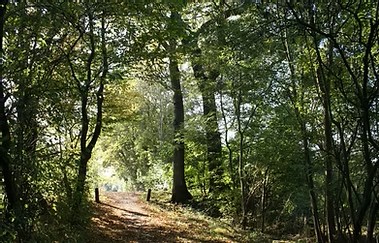
The carbon stored within high quality biochar can remain stable for centuries, creating durable climate benefits alongside valuable applications for soils and compost.